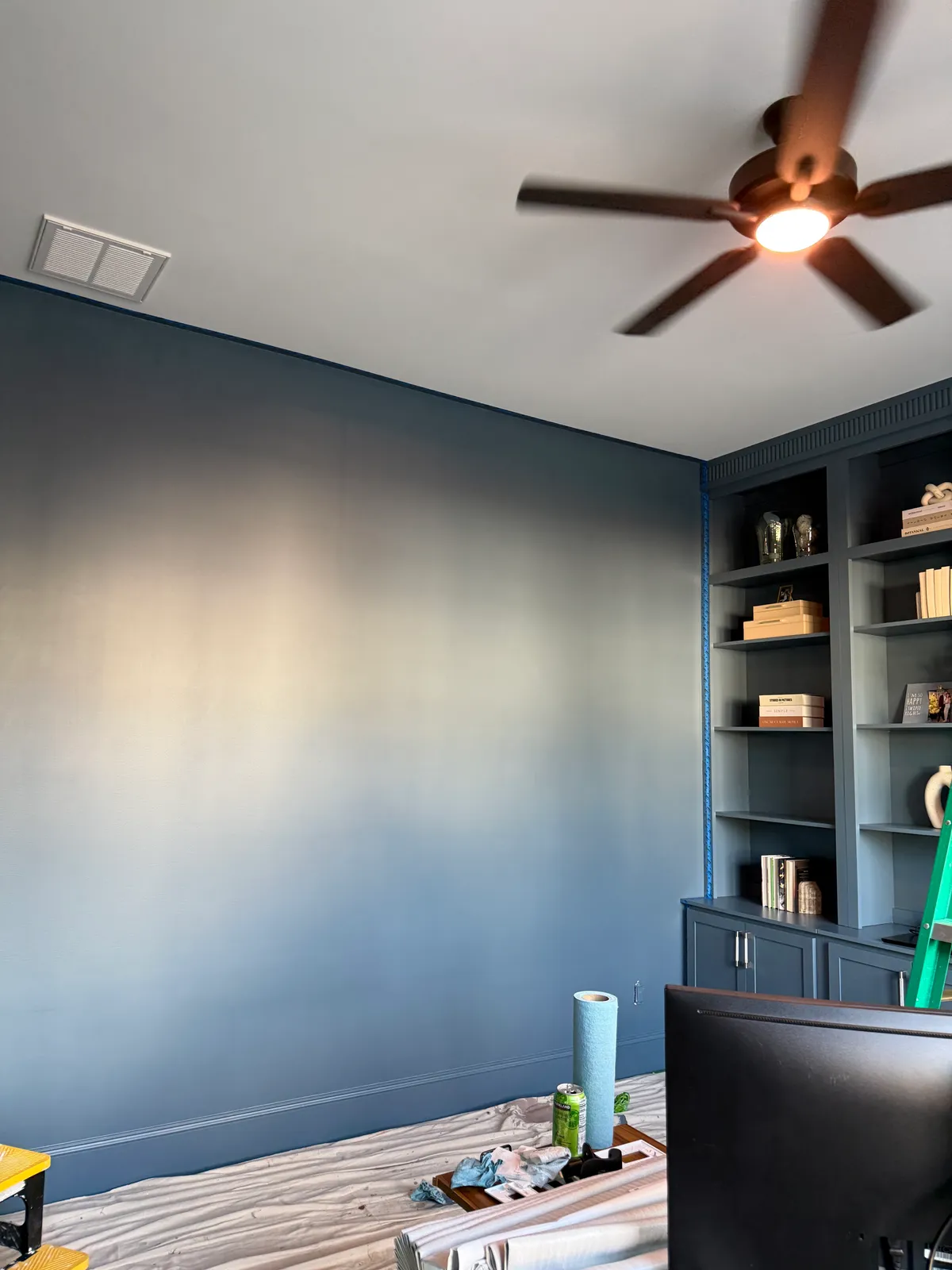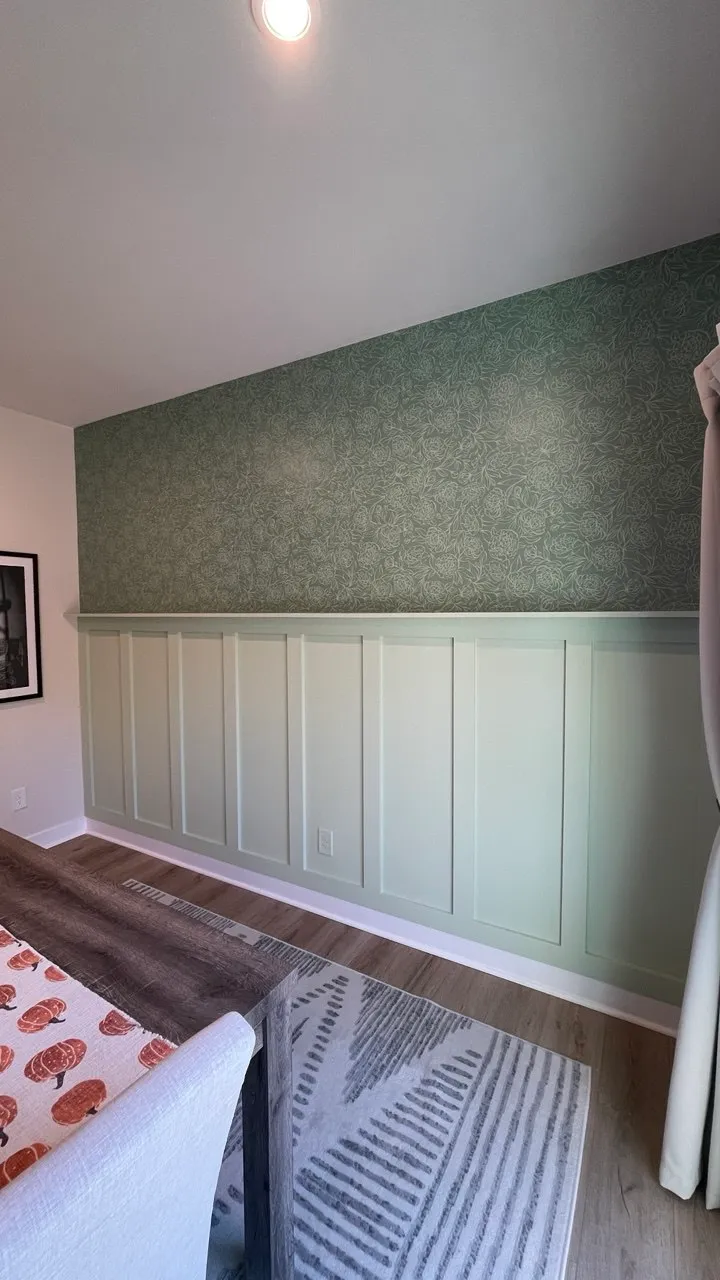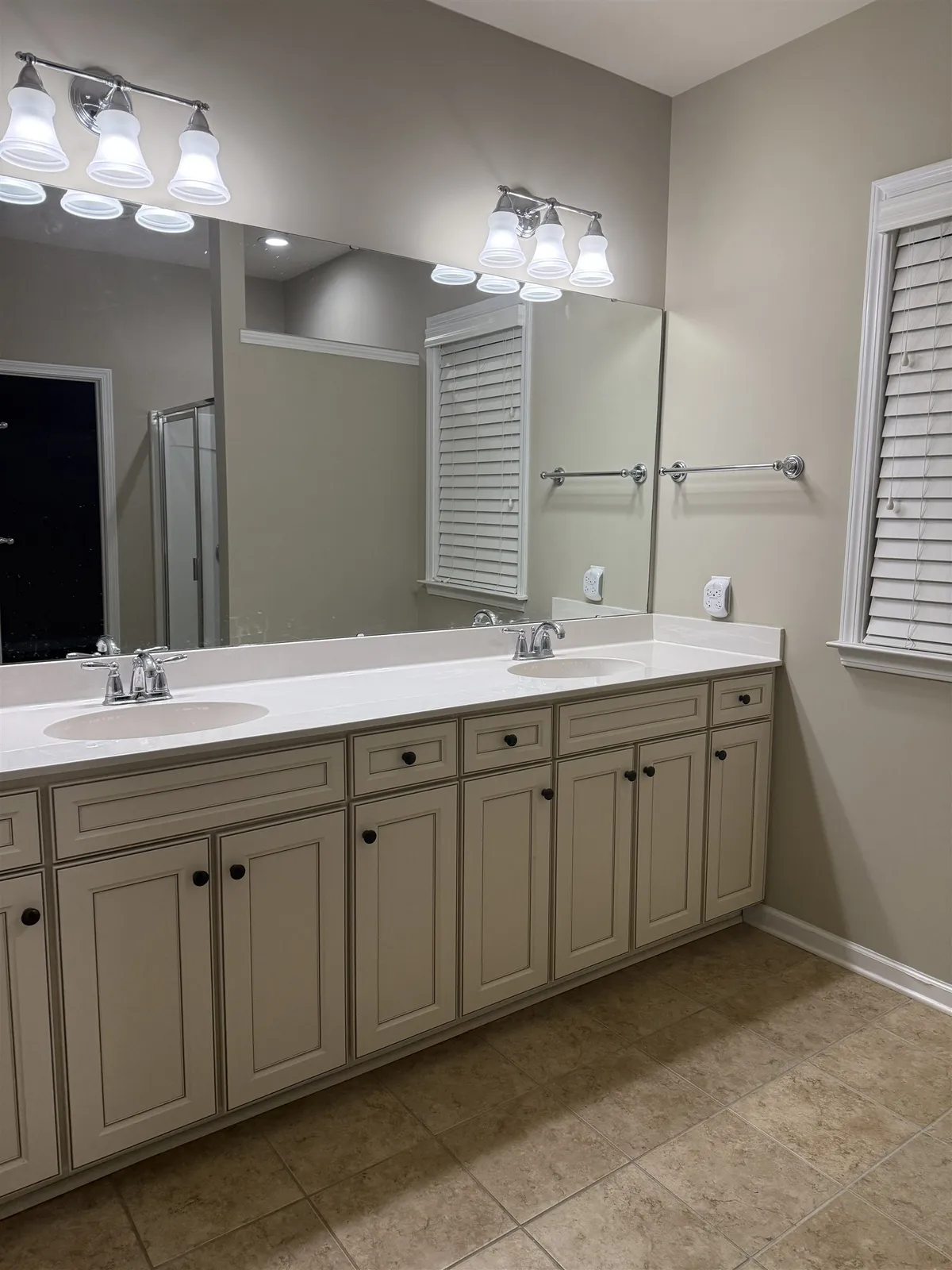
Indian Land is not an incorporated town — it is the northern panhandle of Lancaster County, and it has grown very fast, so most of its housing is 2000s and later on generous lots, including a large active-adult community. That makes the work more predictable than in the older North Carolina towns: less to discover behind a wall, more decisions about material and detail. Some older rural property remains between the subdivisions, and those houses are priced the way an old house anywhere is — after seeing it.
Most of the housing here is recent, so the work is rarely structural. It is what a new house is left without: built-ins and storage, panel and trim detail, an accent wall, cabinetry brought up to the standard of the rest of the room, and decks and outdoor structures specified to a builder's minimum and now wanted properly. The exceptions are the older properties on land, which are a different job altogether.
None of that decides a project on its own. A house is measured before anything is planned, existing conditions are recorded rather than assumed, and where something cannot be confirmed before the work starts we say so instead of hiding it inside a confident price. That is the same on every job, in Indian Land as anywhere else we work.